Start with the decision you need to make
Choosing a home in Dubai becomes more manageable when each stage of the search answers a different question. First decide what daily life must work in the home. Then identify which details can be checked remotely, which require a visit and which need documents or qualified advice. This page connects the practical guides below into that sequence. It does not rank neighbourhoods or certify individual properties. Use it to build a shortlist you can explain, including the compromises you accept and the information still needed before you commit.
Write a brief that can rule properties out
A useful brief does more than describe an ideal home. It tells you when a property should leave the shortlist. Separate essential requirements from preferences, and explain what each requirement means in use. A workspace, for example, may need separation from evening activity rather than simply enough room for a desk. List who will use the home, the activities that overlap and any move-in deadline. The family home guide helps connect those needs with daily journeys. Revisit the brief when your circumstances change, rather than quietly relaxing every requirement after seeing an attractive listing.
Choose the question before the property label
Apartment, duplex, villa and townhouse describe different forms of property, but the name alone does not decide what suits you. Ask whether household activities benefit from separation across floors or need convenient access on one level. Consider the space you would maintain as well as the space you would enjoy. Compare duplex and single-level apartments when stairs and internal movement matter; use the villa and townhouse comparison for questions about plots, shared boundaries and upkeep. Keep the actual type and layout of each candidate recorded, without translating one label into another.
Use remote information to prepare the visit
Before travelling to a viewing, request information tied to the exact unit. Put the floor plan beside the photographs and note what you cannot locate or understand. The floor-plan guide is useful when dimensions and circulation are unclear; the listing-photo guide helps distinguish an actual unit from a show home or architectural illustration. Turn gaps into a short request for clarification. Remote material can make a visit more focused, but attractive presentation should not be used to settle questions about condition, included contents or current availability that remain unverified.

Give each viewing a specific purpose
Do not repeat the same general tour when you return to a property. Decide which unresolved question the next visit should answer and what observation would change your decision. You might need to test the route from the allocated parking space, understand bedroom noise at a relevant time or compare daylight with furniture in mind. Use the viewing checklist as a record of observations, not a score that automatically approves a purchase. Keep what you saw separate from what a representative said and from what a document confirms. A useful note states the date, location and remaining action.
Review comfort as a combination
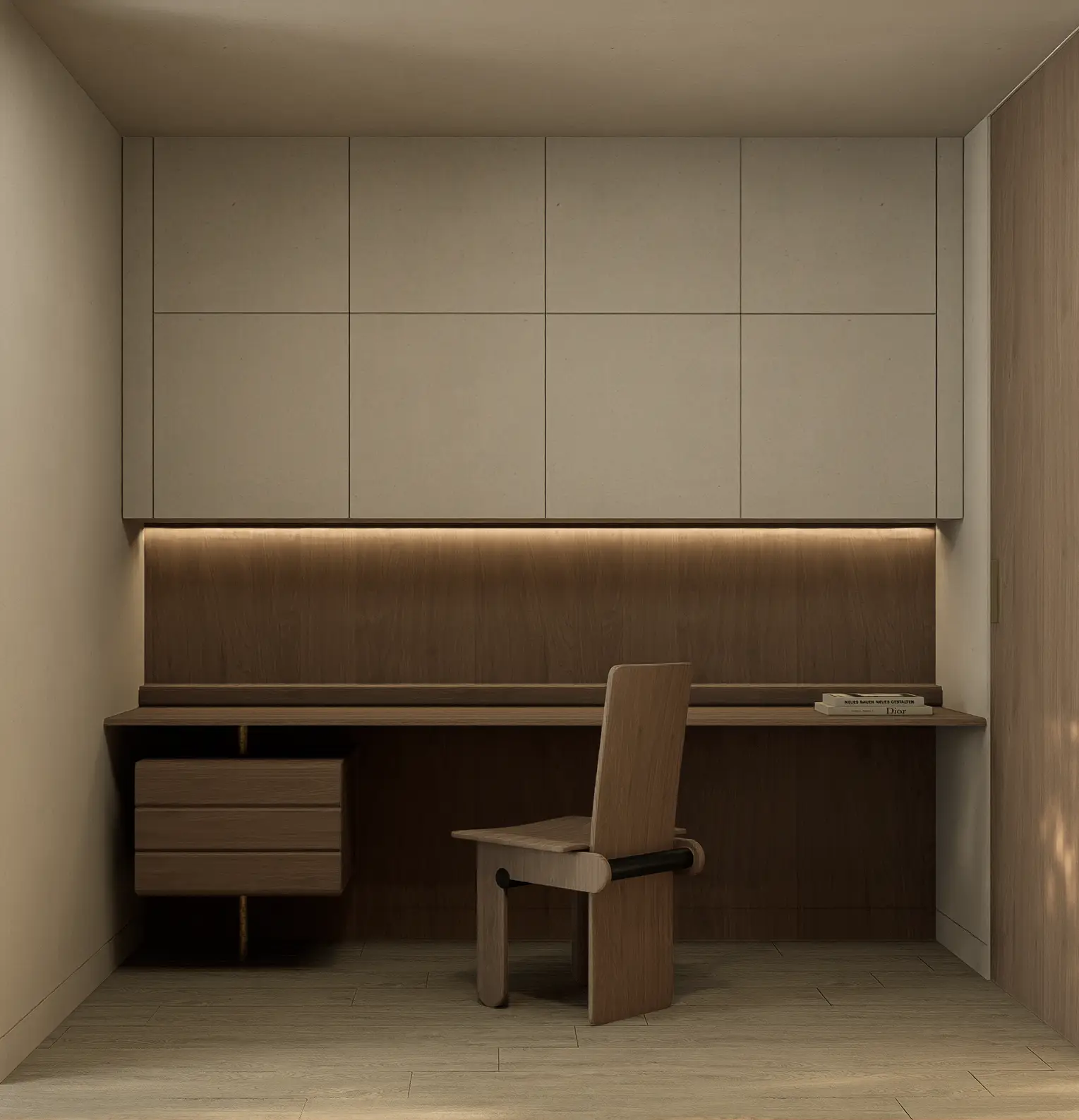
A single attractive feature can distract from how several conditions work together. A bright room may need shading for the activity you plan there; a quiet corner may be separated poorly from family movement. Read the daylight and orientation guide alongside the noise checklist, then apply them to the same room and intended use. For remote work, the home-office guide brings workspace and shared living questions together. Avoid awarding a property a general comfort label before considering the times and activities that actually matter to your household.
Follow the route beyond the apartment door
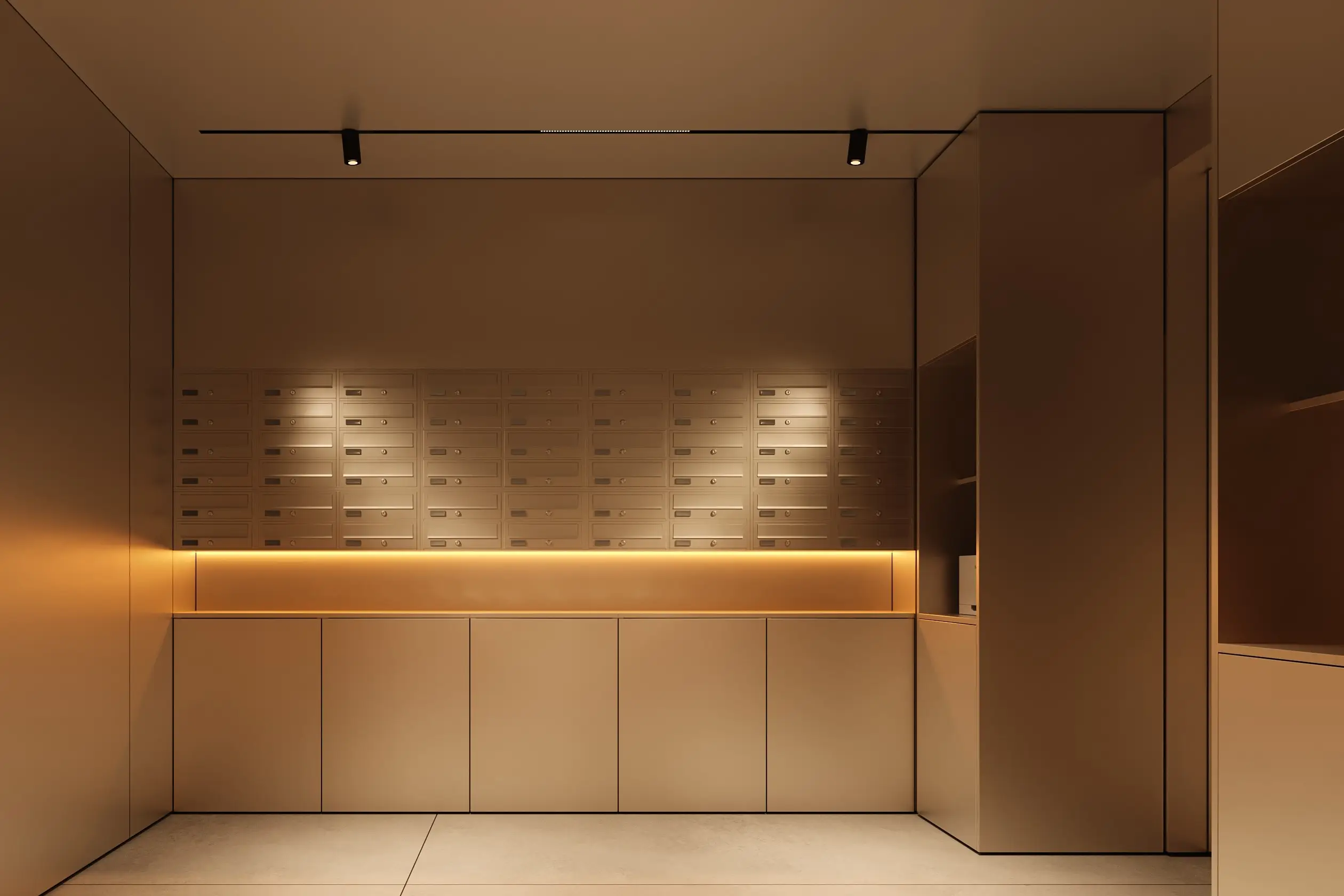
A home includes the journeys needed to enter, leave and use the building. Check the actual parking allocation and resident entrance, then follow the ordinary route rather than a special arrangement used for a sales appointment. The parking guide separates physical access from the right to use a particular space. The step-free access checklist extends the review through the home and relevant destinations. Explain practical dimensions and assistance requirements without sharing private medical details. Where technical suitability or safety is material, obtain appropriate professional advice rather than treating this reading list as certification.
Separate amenities from usable benefits
Make a small list of the facilities you expect to use, then ask how each one fits your routine. Investigate access, operating arrangements and maintenance through the building amenities guide. For outdoor space, the balcony and terrace comparison looks beyond the advertised area. For a waterside location, the waterfront guide helps organise questions about the actual view and everyday access. A shared facility or nearby destination should not be described as part of the private unit unless the relevant evidence supports that distinction.
Compare what you receive and what you must arrange
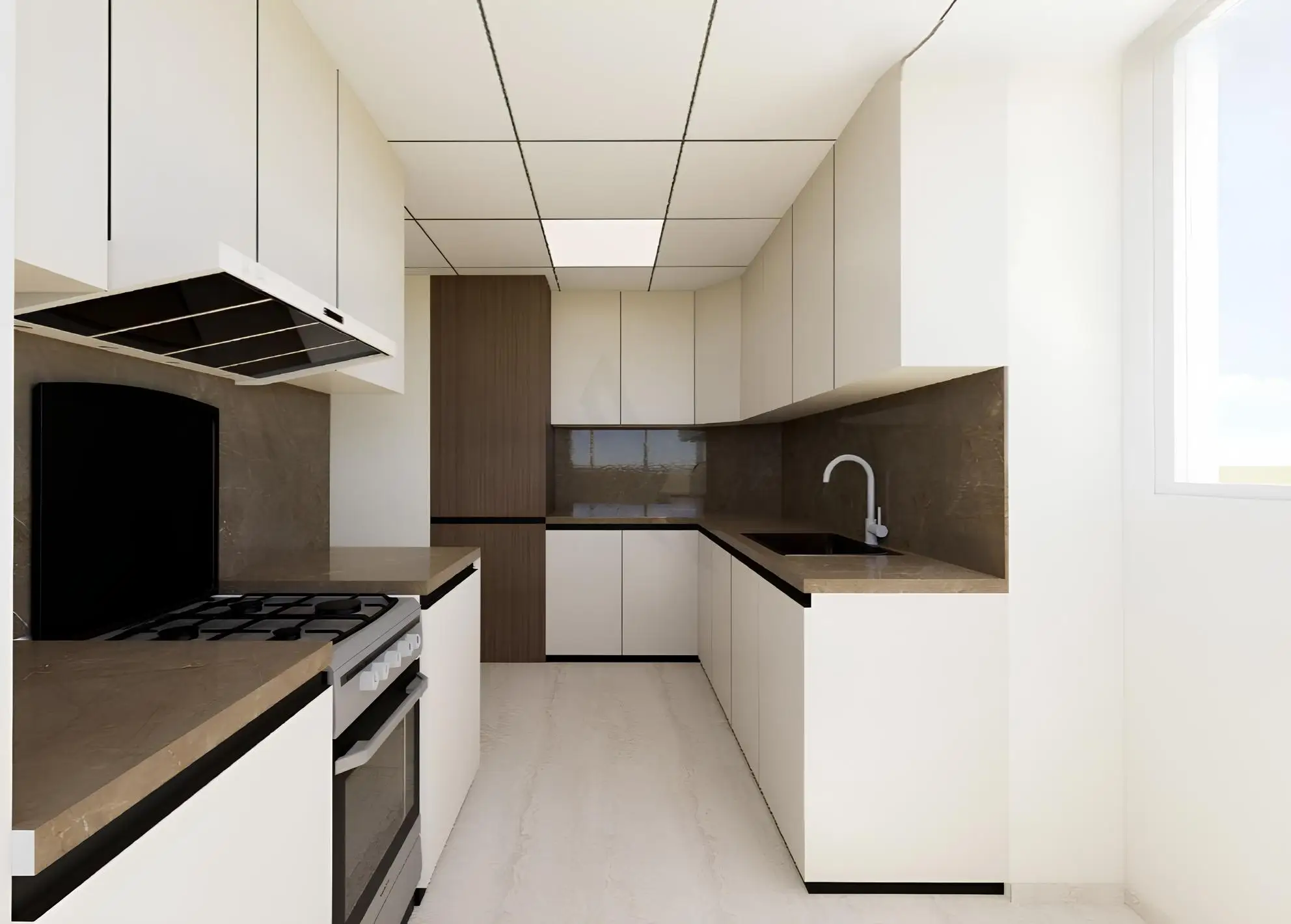
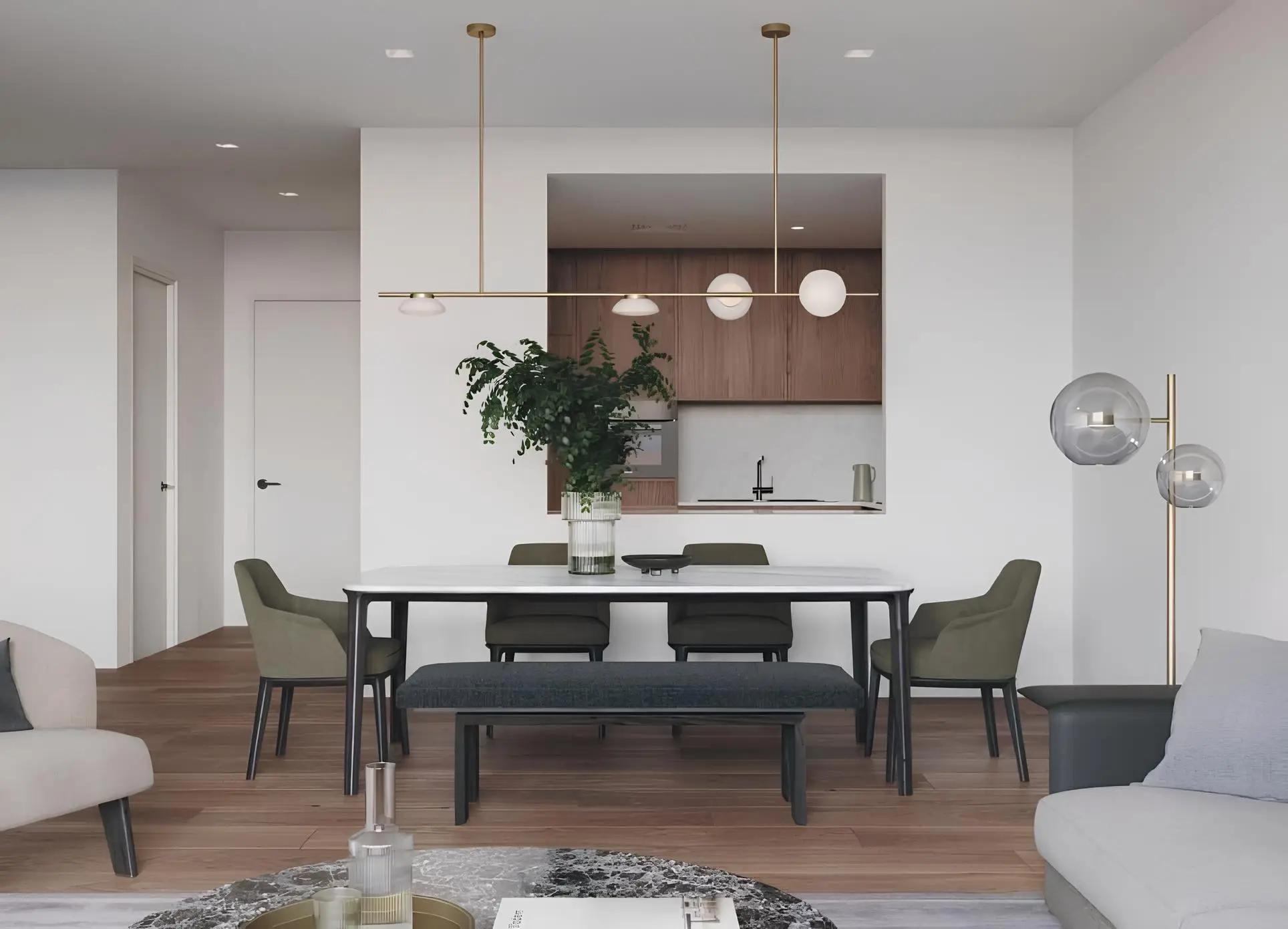
Two homes with similar asking prices may require different work before you can use them as intended. Record the contents included, the equipment that needs support and any changes you propose. The furnished and unfurnished comparison helps structure the inventory and setup discussion. The smart-home checklist adds questions about control, compatibility and continuing support. Keep estimates separate from written quotations and confirmed terms. Do not treat a possible adaptation as completed work, or assume that willingness to fund it establishes technical feasibility or permission.
End with a shortlist and an evidence request
Summarise each remaining property in the same way: the need it meets, the compromise it involves, the evidence already obtained and the question that still prevents a decision. This makes it easier to discuss alternatives without reopening every issue. Choose the next guide according to that unresolved question, rather than trying to read every article before making progress. When contacting an adviser, share your requirements, preferred areas, budget and timing, and request details for identifiable units. Keep the documents and follow-up actions together so that the eventual decision rests on the property you have examined, not on a general impression of the project.