
The purchase price is only one coordinate in an investment comparison. The date each dirham leaves your control, the date the property becomes usable and the amount still required at completion can change the decision. A ready apartment and an off-plan contract should therefore be compared over the same period, using a clear record of cash committed and cash still available.
This guide produces a capital schedule for two specific Dubai candidates. It assumes you have separately investigated their physical condition or contractual specification. Its purpose is to expose the funding consequences of choosing either route. Every number used below is an invented illustration, not a developer payment plan, financing offer or projection of investment performance.
Fix a common starting date and decision horizon
Select a starting date and a period long enough to include the off-plan completion commitment and the setup period you want to assess. Record the same investor's available capital for both candidates. If one proposal uses a mortgage and the other uses cash, make that difference explicit. Otherwise a result attributed to the property may really come from using different borrowing assumptions or different amounts of equity.
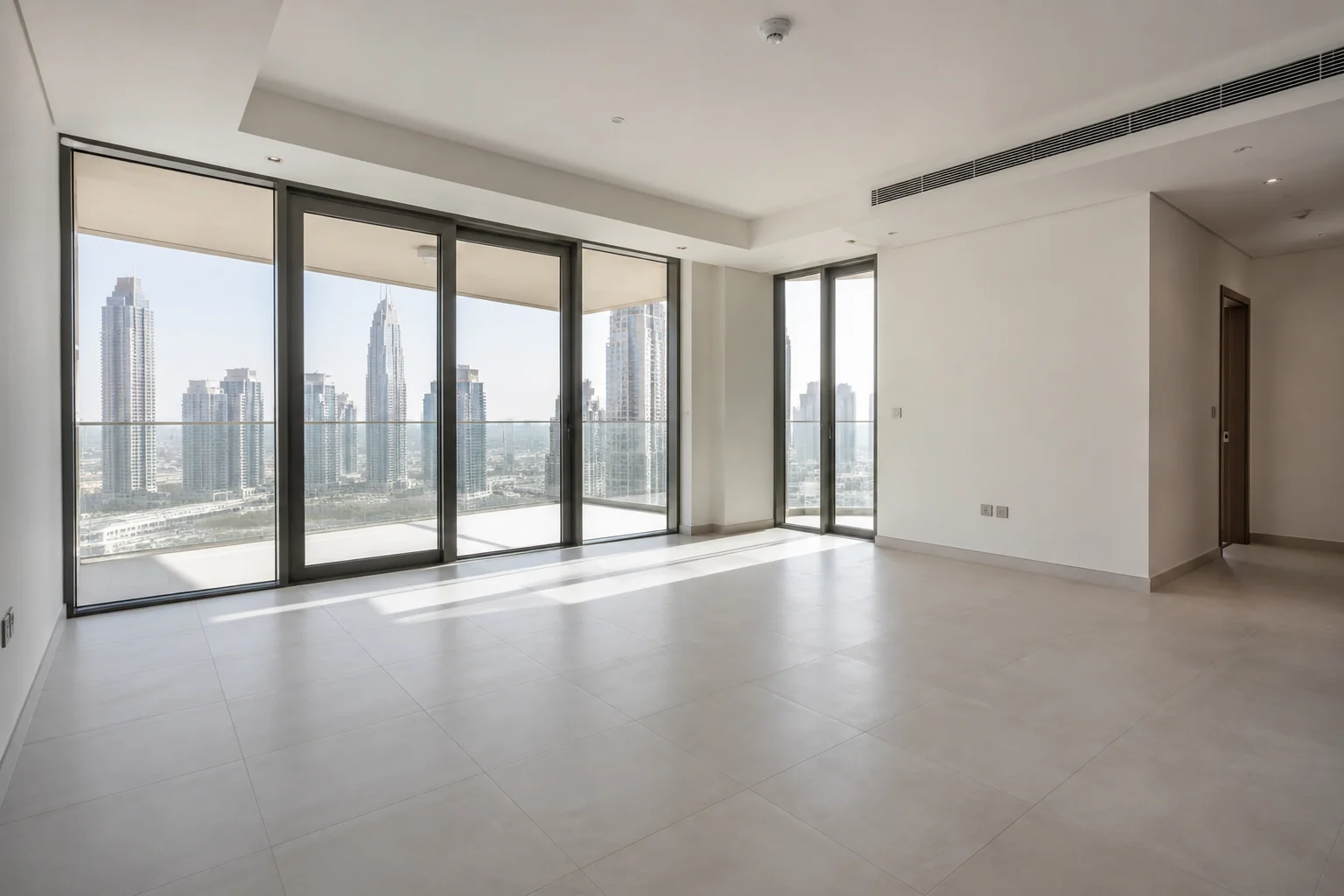
For the completed unit, identify when the purchase money, fees and immediate works would be paid. Establish when occupation or letting could actually begin, using the property's condition and existing agreements. A finished building does not establish immediate possession. Put any estimated income in a separate row from capital payments so a hoped-for receipt cannot silently reduce the amount you must fund before it arrives.
Translate the proposed contract into cash events
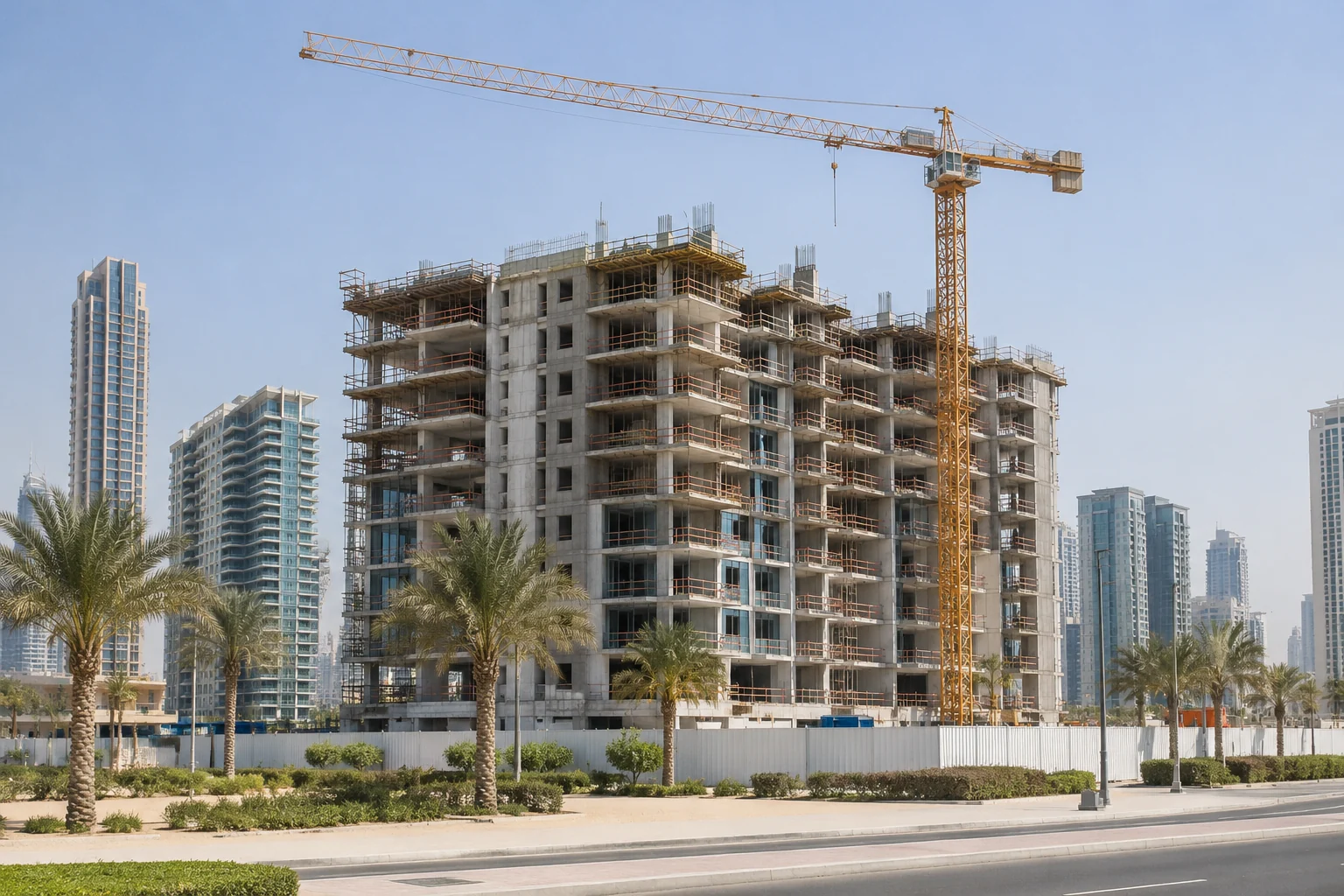
For the unfinished candidate, extract every payment trigger from the proposed agreement and its attachments. Distinguish calendar dates from construction milestones and identify the completion balance. Add costs outside the advertised percentage schedule. Where a trigger does not have a fixed date, test more than one timing assumption while retaining the contractual wording in the supporting file for professional review.
Record which specifications and delivery obligations underpin the investment case. A lower initial payment cannot compensate for an unresolved issue that makes the eventual unit unsuitable. Note any conditions affecting assignment, changes or cancellation and obtain advice on their effect. The schedule describes your cash exposure under the agreement; it should never imply that you can simply stop instalments or resell whenever the investment no longer suits you.
Keep the schedule attached to verified project evidence
Identify the project and unit consistently across the agreement, payment instructions and research file. DLD's Project Status Enquiry provides project, inspection and escrow information through its service and Dubai REST. Keep a dated record of the relevant check and ask the responsible professional to resolve mismatches before you rely on the schedule. A document for a similarly named phase may not answer the question for your contract.
Update the funding analysis when reliable new information changes an assumption. Record what changed and whether it affects a contractual payment date, an estimated operating date or both. These are different events. A reported construction update does not by itself confirm the exact day an owner will receive rent, nor does a favourable progress report establish the sale price available at your intended exit.
Compare two invented schedules on equal terms
Suppose a ready apartment requires AED 1,000,000 for the price and AED 80,000 for assumed acquisition and setup expenses, all at the start. The initial outlay is AED 1,080,000. Now suppose an unfinished alternative has the same price, paid as AED 200,000 initially, AED 300,000 during construction and AED 500,000 at completion. Assume separate costs of AED 50,000 initially and AED 30,000 at setup. Its total is also AED 1,080,000.
The second proposal begins with AED 250,000 paid, but AED 830,000 remains committed in this example. The unpaid balance is not a saving in purchase cost. It creates a timing question: where will the later money come from, and what else could require it before completion? The ready option uses more capital immediately and may enter operation earlier, subject to actual readiness. Neither observation establishes which option will deliver a better return.
Add operating receipts and expenses over the same horizon for both options, supported by their own assumptions. Keep estimates visibly separate from confirmed obligations. Any comparison of alternative returns on unused cash also needs an explicit assumed rate, access terms and risk treatment. Omitting that layer is preferable to inserting an unexplained growth figure that makes the preferred property appear superior.
Locate the point where the funding plan could fail
Imagine the investor in the unfinished example expects to have AED 450,000 available at completion. The remaining price and setup commitment is AED 530,000, creating an AED 80,000 gap before any further reserve. Write down how that gap would be covered. A hoped-for mortgage, future bonus or sale of another asset belongs in the conditional column until the relevant evidence supports it.
Then test delayed use, higher setup costs and a different financing outcome separately. If the property becomes usable later, some expenditure may move while other obligations remain due; follow the agreement instead of shifting every line automatically. For building costs, use the appropriate DLD service-charge information where available and a clearly identified estimate otherwise. Recalculate the lowest available cash balance, not merely the final total.
Write the choice as a conditional investment decision
Finish with a short explanation of the route that fits your capital and operating horizon. State the largest funding dependency and the evidence needed before committing. If both candidates fail an essential condition, retaining capital and changing the shortlist is a valid result. A comparison should be capable of rejecting both proposals rather than awarding a winner by default.
Keep the schedule after purchase and review it when actual events replace assumptions. For another acquisition, check the combined instalments across your holdings; staged commitments in separate projects can converge in the same period. The decision becomes stronger when you can explain the calendar of obligations, the reserve retained and the conditions you can comfortably manage, without relying on a future resale to make the purchase affordable.