
Ownership is a sequence of changing responsibilities. A newly acquired apartment may need preparation before occupation, a settled tenancy may reach a decision point, and a home kept for personal visits may later be offered for sale. The difficult work often occurs between those stages, when one arrangement is ending and another has not yet begun.
This section follows that ownership lifecycle across UAE property investments. It helps you recognise which transition is approaching, what information should pass with it and who must act. Specific tenancy, operating and transfer requirements remain tied to the relevant emirate and the actual agreements.
From an acquired asset to a functioning property
The transaction file answers who acquired the property and on what terms. The operating file answers what needs attention next. Connect them deliberately. A condition issue identified before purchase, an appliance included in the agreement or an outstanding access arrangement should reach the person preparing the home. Otherwise the new manager or owner can begin with an incomplete picture and repeat work that the acquisition team has already done.
Define the first usable state you are trying to reach. A home for personal occupation needs a different set of decisions from a property entering a letting arrangement. Record essential preparation separately from optional improvements, and establish who confirms completion. Payment for a task, delivery of an item and readiness for ordinary use are not always the same event. Keep that distinction visible when several suppliers work on the property.
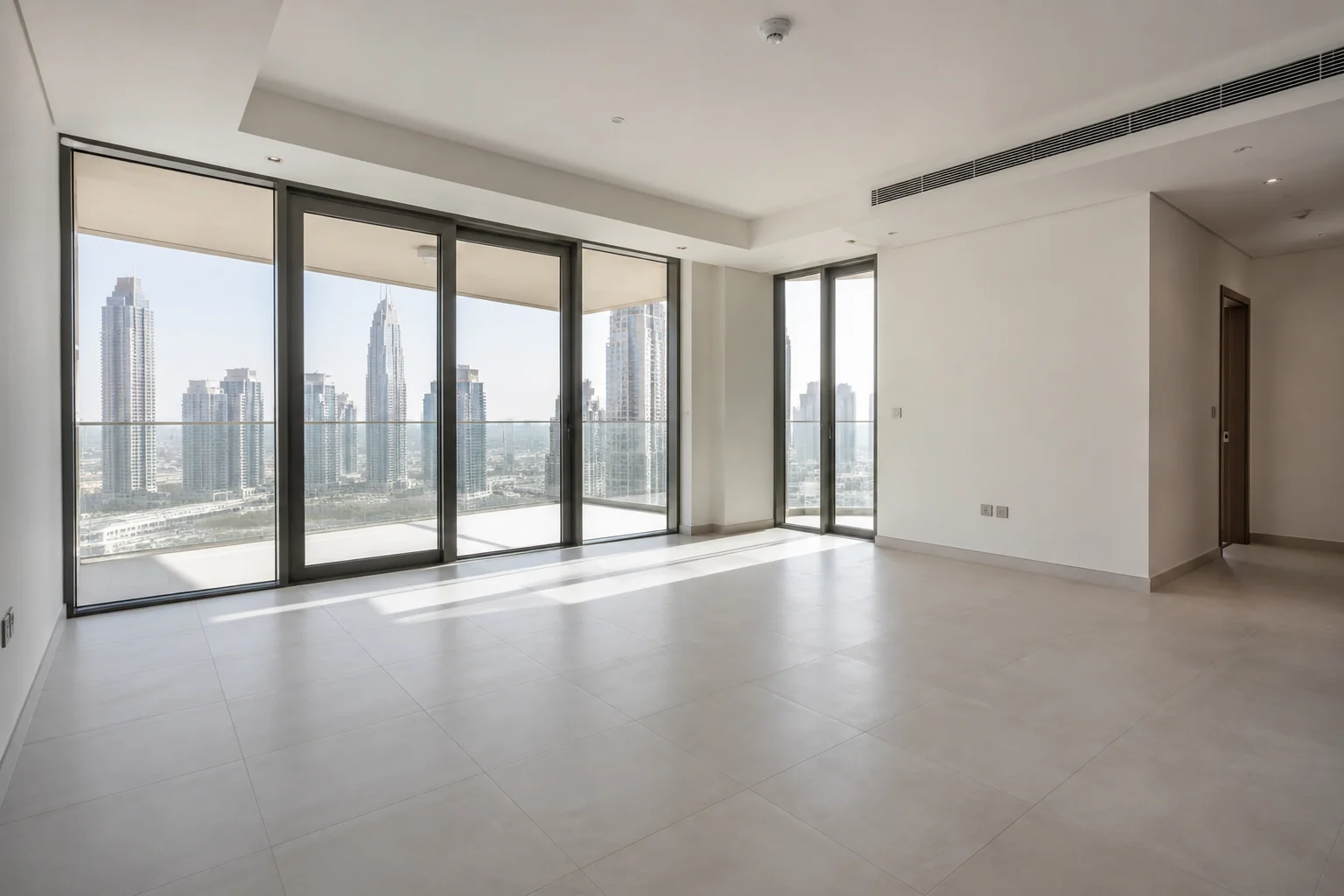
For a Dubai tenancy, the DLD registration and renewal service is part of the relevant administrative research. For a proposed Dubai holiday home, DET's permit process requires registration and approval before listing. These are different operating routes, and the permission for a particular home needs its own confirmation. Establish the intended use before commissioning a setup that assumes a use you have not verified.
When the owner's purpose changes
An investment can stop matching its owner even when the property itself has not deteriorated. More personal visits, a different cash requirement, reduced appetite for administration or a changed family plan can make the existing arrangement less useful. Describe the changed need before asking for a new strategy. That prevents a response to one inconvenient event from becoming an unexamined change to the property's entire operating model.
Map the current agreements and obligations against the proposed use. A wish to occupy a tenanted property or change a service provider does not itself alter the existing terms. Ask the appropriate professional to establish what is possible and when. Include preparation costs and a period of transition in the plan. A new model can appear simpler if the work needed to reach it is omitted from the discussion.
Decide which commitments remain sensible during the transition. A discretionary furnishing purchase may be unnecessary if the home is being prepared for another use, while a required repair may still need attention. Keep the reason for each choice clear. The aim is to align spending with the next stage without allowing an uncertain future plan to become an excuse for neglecting current responsibilities.
Treat substantial work as a temporary operating stage
A significant repair or improvement deserves a defined start, completion standard and return to use. Establish the competent person assessing the work, the permissions to confirm and the parties whose access or daily use may be affected. A quotation should be understood alongside the scope and exclusions. An attractive finished concept is not a substitute for knowing how the work will be performed and what disruption it creates.
Give the owner a realistic view of commitments during the works. The relevant consequences can include supplier payments, coordination time, protected belongings and a period when the property cannot be used as intended. Keep these separate from a claimed increase in future rent or value. Work may be justified because it addresses a documented defect or preserves usability, even where no credible market premium can be established.

Before returning the home to ordinary operation, collect the completion record, instructions, warranties and unresolved items relevant to the work. Update the inventory or equipment record when something changes. This closes the temporary project and gives the next operator useful information. Without that handover, an improvement can leave behind uncertainty about maintenance responsibilities or the scope of what was actually supplied.
Make each handover understandable to the next person
Changing a manager, beginning a tenancy and completing a sale are different events, but all require a transfer of reliable information. Identify what must move with the property: access arrangements, current commitments, condition records and relevant financial reconciliation. Establish the appropriate treatment of private information. A new contact needs enough context to carry out their role without automatically receiving material unrelated to that role.
Use the resale section when the next stage may be a sale. It explains how to prepare a credible property file and identify obstacles before marketing creates expectations. The hold-or-sell chapter addresses the separate financial decision of whether releasing the asset fits your objective. Preparing the file can be useful before the final choice, because it reveals work or uncertainty that should inform the decision.
Keep a short history of the major transitions and why they occurred. Over time, this record explains changes in condition, expenditure and operating arrangements more clearly than an isolated annual total. You can then discuss a new management instruction or sale proposal with the property's actual history available. A well-managed lifecycle preserves continuity while allowing the owner to change direction when the evidence and personal purpose justify it.
Sources & further reference
- Dubai Land Department — Register / Renew Tenancy Contract Checked 2026-10-08
- Dubai DET — Apply for a Holiday Home Permit Checked 2026-10-08