An overseas property decision rarely fits inside a single question about price. The location, purchase structure, use of the home and arrangements after completion affect one another. This guide brings those decisions together, with separate chapters when you need to examine one part in depth.
Give the property a job before you start searching
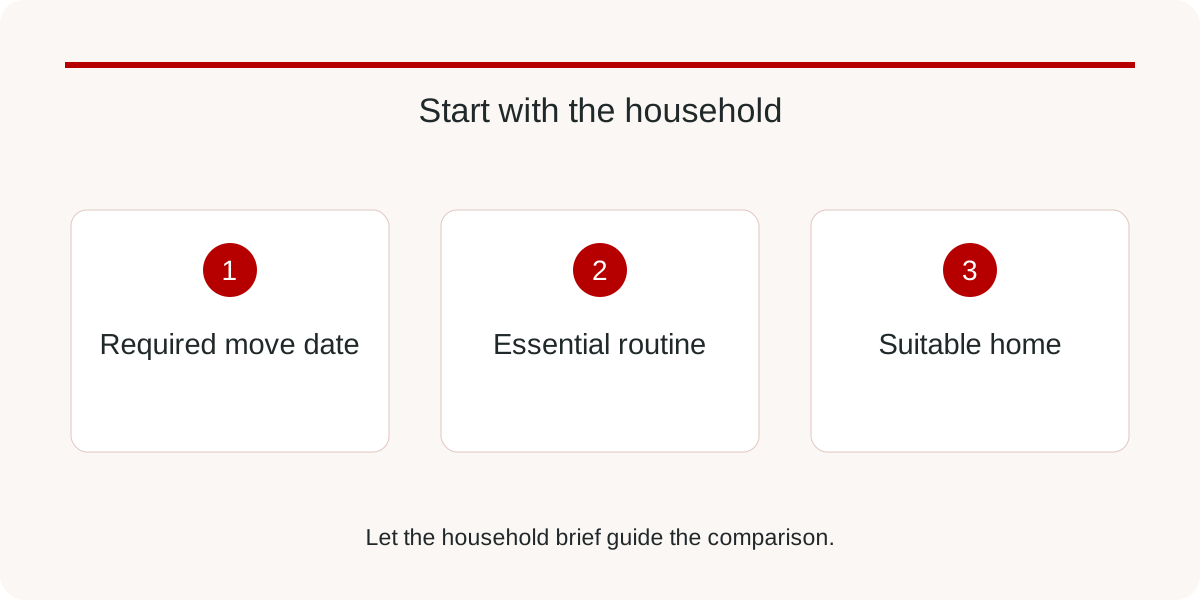
Consider what would make ownership worthwhile for you. The answer might involve an additional income stream, a place to use during visits, a longer holding period or a future move. Those aims can coexist, but they will not always point towards the same property. A home reserved for your busiest travel dates cannot be assessed as though it were available to paying occupants throughout those dates. A property intended for eventual personal use also needs to suit the people who will live there.
Put the primary purpose into an ordinary sentence, then add the limits that matter: available cash, when you may need it back, the amount of administration you will accept and how decisions will be made when you are overseas. This brief gives later research a purpose. Without it, an attractive view, a payment promotion or a persuasive forecast can quietly replace the reason you began looking.
Move from the market story to an individual address
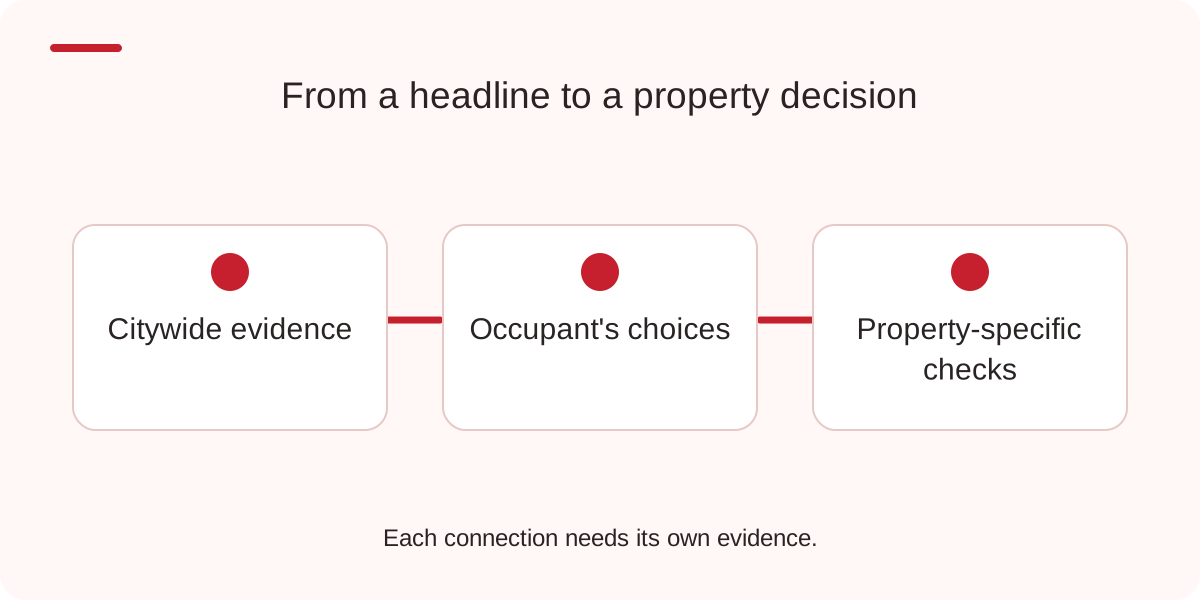
Economic news can help explain why a country or emirate deserves further attention. It cannot settle whether a particular apartment is correctly priced or convenient for its intended occupants. Read broad evidence first, identify the questions it raises, then bring the investigation closer to the actual home. The connection between a citywide trend and your proposed purchase needs to be demonstrated through relevant local information, rather than assumed because both appear in the same presentation.
The location chapters help you decide which places deserve a detailed shortlist. The market chapters explain how to read the evidence supporting that choice. Keep the two stages connected: a useful statistic should change a question you ask about supply, competing homes, timing or potential occupants. If a figure has no identifiable effect on the decision, it may be background context rather than a reason to buy.

Put the full ownership picture beside the asking price
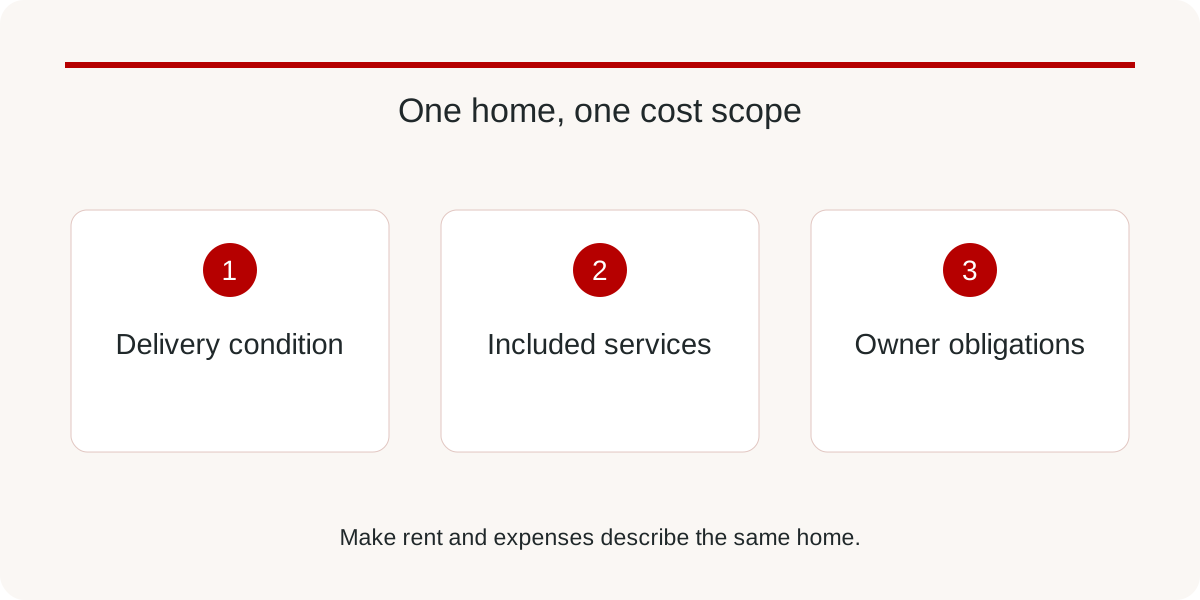
An asking price is one input in a larger commitment. The amount required to acquire a home, prepare it for use and keep it operating belongs in the same discussion. Timing matters as much as the eventual total: money due before the property produces income must come from somewhere else. Where financing is involved, the payment schedule needs to remain workable even when occupancy or other receipts arrive later than expected.
Treat an early calculation as a set of questions with numbers attached. Identify who supplied each estimate, the period it covers and what has been excluded. An operating expense that has not yet been quoted should remain an open item, rather than becoming zero in a spreadsheet. The returns and finance chapters explain how to turn this unfinished picture into a budget you can revisit as actual property documents become available.
Separate attraction from the evidence needed to proceed
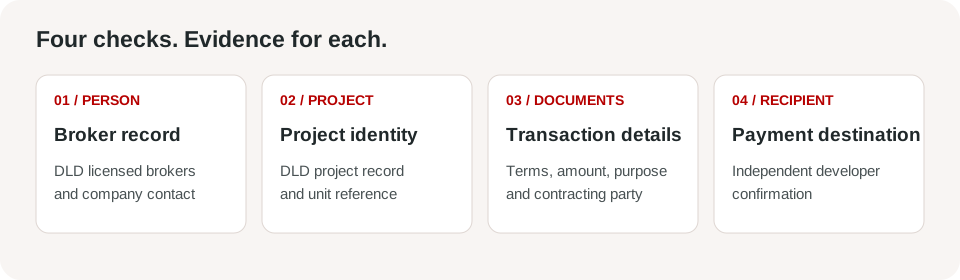
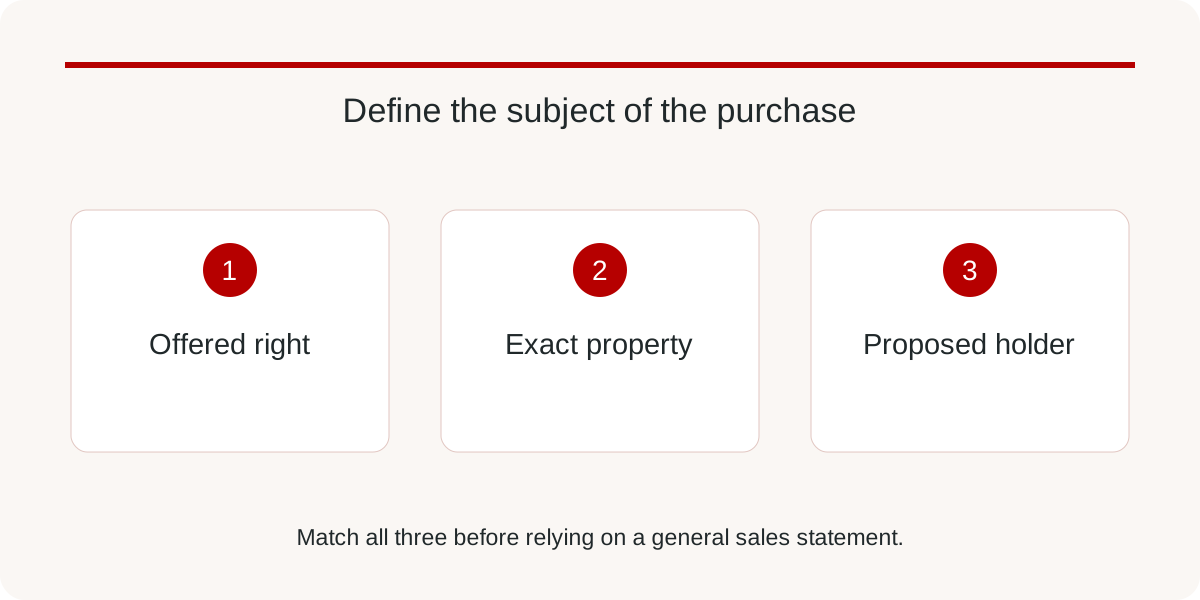
A viewing helps you understand the home. A financial model helps you understand assumptions. Neither replaces the records and advice needed to establish what you would be buying and the obligations you would accept. Organise these different forms of evidence together without treating them as interchangeable. A strong neighbourhood impression cannot resolve a missing document, and a complete document file does not make an unsuitable layout a good match for your purpose.
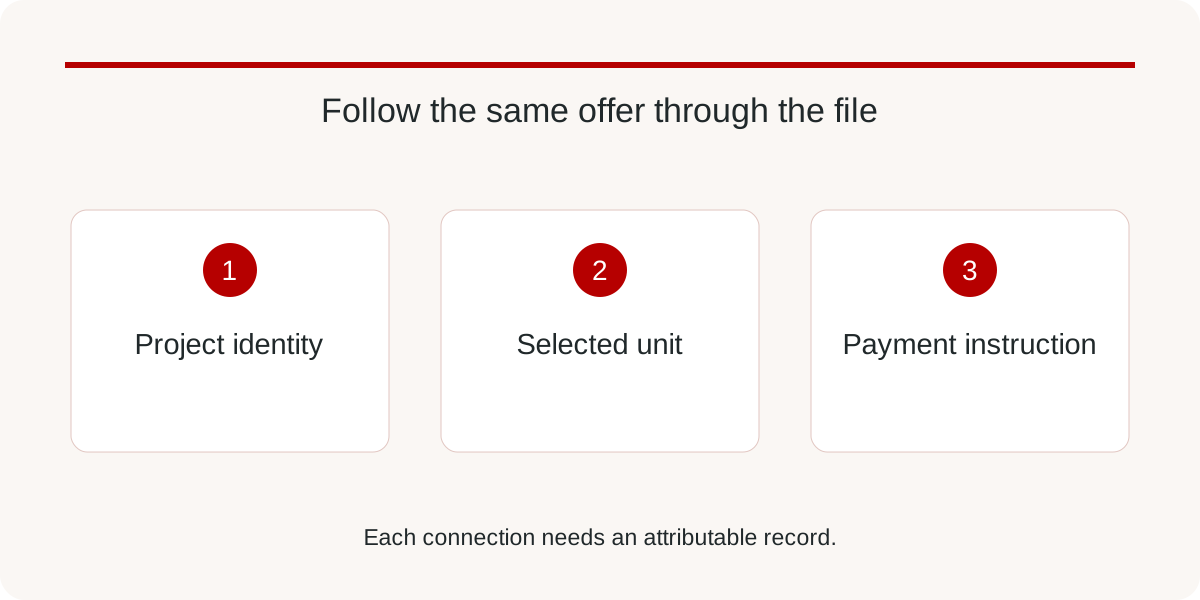
As a proposal develops, keep a short list of unresolved matters and name the person responsible for each answer. Some points can be clarified by the seller or developer; others need an appropriate independent adviser or the relevant authority. Progress should mean closing meaningful questions. A growing collection of brochures and messages is less useful than a smaller file that identifies the property, the proposed terms and the remaining conditions clearly.

Decide how ownership will work after completion
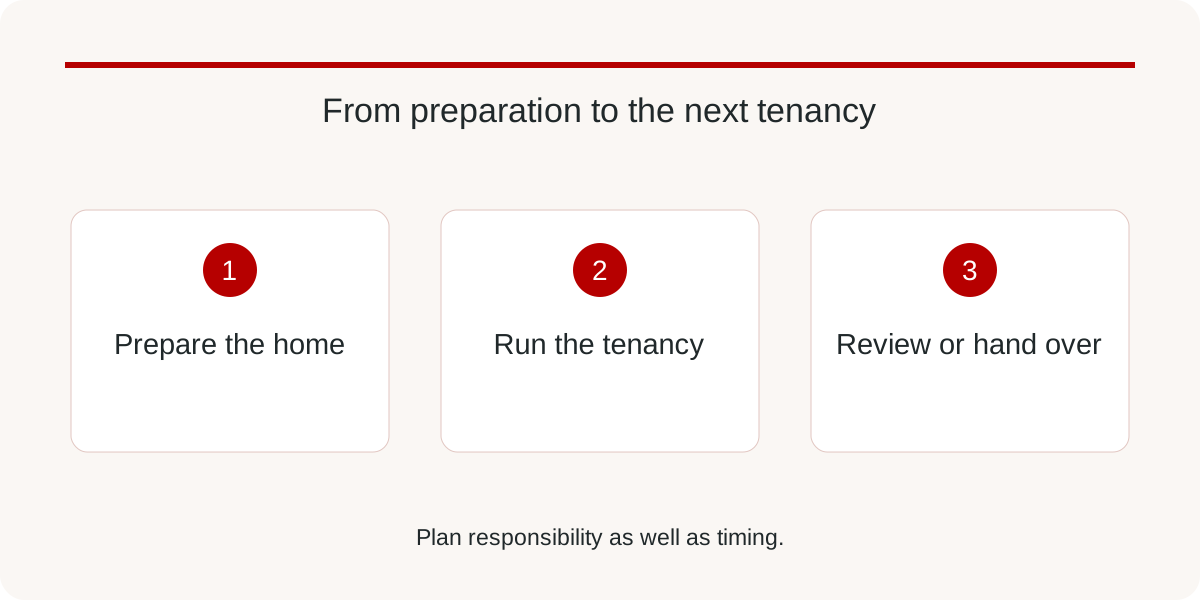
The purchase process has an obvious finish line, but ownership does not become effortless when the keys arrive. Someone needs authority to organise access, inspect problems, keep records and communicate with occupants or service providers. For an overseas owner, the practical question is who can act locally and how you will know what has happened. Establishing that arrangement is part of assessing a property, especially when you cannot visit frequently.
Future sale arrangements also belong in early thinking. You do not need to predict an exact selling date to identify information a buyer would eventually request. Keeping the property file orderly, understanding its occupancy position and recording substantial work can make future decisions easier to evaluate. Our management and selling chapters deal with the responsibilities between purchase and exit, so the investment plan continues beyond the initial transaction.
Build your reading route around the next decision
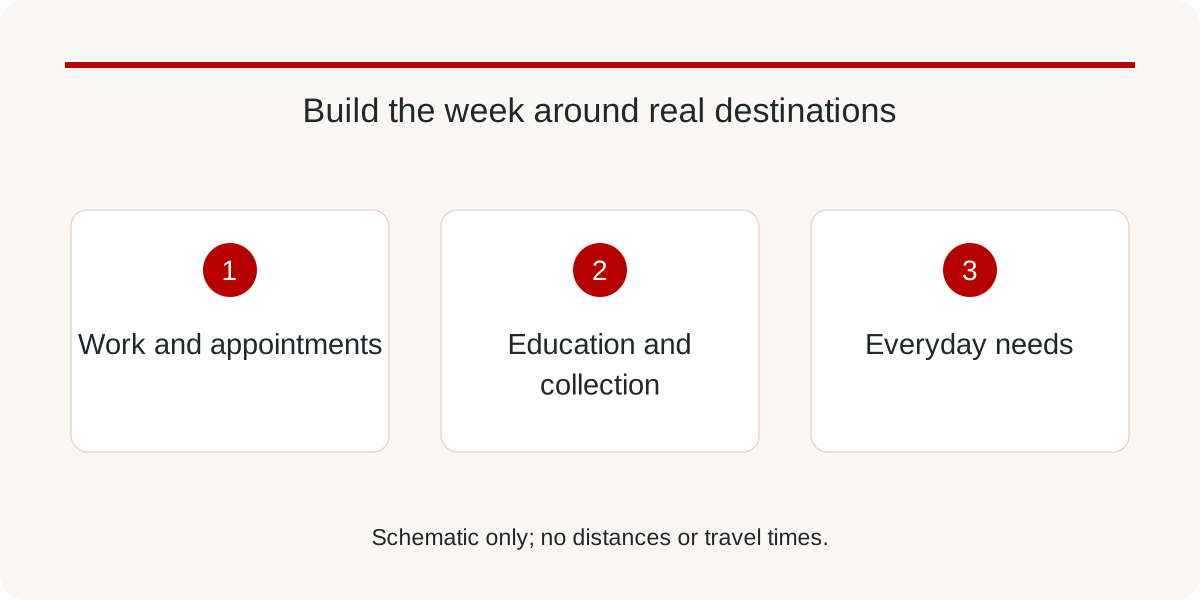
If you are still comparing emirates, start with locations and evidence before examining individual payment plans. If you already have a property in mind, use the strategy and cost chapters to test whether it fits your purpose, then organise the purchase checks. An existing owner may find the operating and exit chapters more immediately useful. The sections are connected, but you do not have to read them in a fixed order or repeat work you have already completed.
Bring the result into a focused discussion with an adviser. A useful starting point is the property or location you are considering, the purpose of the purchase and the question preventing you from deciding. Residency considerations can be explored in the separate Golden Visa guide. Keep that assessment alongside the investment case so that enthusiasm about one objective does not stand in for evidence about the other.
Sources & further reference
- Dubai Land Department: real estate data Checked 2026-10-08
- Abu Dhabi Real Estate Centre: market reports Checked 2026-10-08